History / From the archive001
archive.org1 January 1975
Records of PARRY show a 1972 network curiosity and a secondhand account of Colby's blind evaluation, not the original paper.
Event: 18 September 1972
History / From the archive002
rfc-editor.org21 January 1973
RFC 439 records a 1972 PARRY-DOCTOR exchange offered as entertainment, with no primary evidence of a conference demonstration.
Event: 18 September 1972
History / From the archive003
archive.org1 January 1976
A 1976 Stanford memo preserves Weizenbaum's own reply to critics, distinct from his original 1966 ELIZA paper.
Event: 1 January 1976
History / From the archive004
web.archive.org23 November 1995
ALICE's own archived history page dates her first activation to 1995, in a language with no relation to AIML.
Event: 23 November 1995
History / From the archive005
archive.org1 January 1984
A 1981 profile of Racter's builder and the book's own catalogue record leave open how much of its prose was machine-made.
Event: 1 January 1984
History / From the archive006
archive.org1 January 1991
The preserved Dr. Sbaitso program names its own author and calls itself an attempt to fake intelligence, in its own text.
Event: 1 January 1991
History / From the archive007
web.archive.org1 January 1993
Foner's 1993 study and Mauldin's own paper document Julia on TinyMUD servers, with a scripted age-lie built into her contest entry.
Event: 8 January 1990
History / From the archive008
archive.org30 July 1998
Furby's preserved source code and Tiger Electronics' launch site show a probability-driven vocabulary shift, run entirely offline.
Event: 1 January 1998
History / From the archive009
web.archive.org11 May 1999
Sony's own 1999 release states AIBO's personality was shaped by owner discipline, a claim its cloud-based successor now updates.
Event: 11 May 1999
History / From the archive010
web.archive.org20 October 2016
Kuyda's own account and independent reporting document the 2016 memorial bot's training and its friends' mixed reactions.
Event: 24 May 2016
Safety & vulnerable users / Companion note011
replika.comundated document
Replika's terms, a Pro-subscription help page and a 2023 blog post together show how romantic content is restricted and classified today.
Entry note
Privacy & data / Companion note012
replika.comundated document
Replika's do-not-sell-or-share language appears as one clause inside its privacy and cookie policies rather than as a standalone disclosure page.
Entry note
Privacy & data / Companion note013
replika.comundated document
Replika's encryption and access-control claims sit inside its general privacy policy and two help articles rather than a dedicated trust center.
Entry note
Privacy & data / Companion note014
replika.comundated document
Replika's privacy policy assigns contract, legitimate interest or consent as the legal basis for different data uses and names its GDPR representatives.
Entry note
Safety & vulnerable users / From the archive015
web.archive.org1 March 2023
Archived App Store snapshots show Replika's rating dropping to 9+ by March 2023 and returning to 17+ by May, per Apple's own listing pages.
Event: 1 March 2023
Relationship design / Companion note016
help.replika.comundated document
Replika's help center describes an experience-point and coin system that gates cosmetic items and companion personalization behind interaction and levels.
Entry note
Products & launches / From the archive017
web.archive.org21 October 2021
A 2021 Replika engineering post says the company left a fine-tuned GPT-3 for a 774-million-parameter in-house model it says performed better.
Event: 21 October 2021
Safety & vulnerable users / Companion note018
replika.comundated document
A medical-disclaimer clause in Replika's terms says the app is not healthcare and makes no therapeutic-benefit guarantee, apart from its crisis-resources page.
Entry note
Products & launches / Companion note019
web.archive.org21 October 2021
Company statements from 2021 and 2026 put Replika's registered users at 10 million, then over 40 million, with no independent audit cited for either figure.
Entry note
Safety & vulnerable users / From the archive020
blog.character.ai29 October 2025
The company's own posts name Persona as its age-assurance partner but do not disclose how well the check performs.
Event: 29 October 2025
Regulation & litigation / From the archive021
blog.character.ai22 October 2024
Character.AI's own safety update from 22 October 2024 never names the Garcia case that reporters tied to it.
Event: 22 October 2024
Regulation & litigation / From the archive022
storage.courtlistener.com24 January 2025
The court let Character Technologies raise its users' First Amendment rights but would not yet call chatbot output speech.
Event: 24 January 2025
Privacy & data / Companion note023
play.google.comundated document
Google Play's safety label says no data is shared with third parties, while the privacy policy lists several categories of vendors that receive it.
Entry note
Products & launches / From the archive024
blog.character.ai11 May 2023
Character.AI's 2023 c.ai+ launch promised faster chat for a flat fee; the current page sells a tiered feature comparison instead.
Event: 11 May 2023
Safety & vulnerable users / From the archive025
blog.character.ai22 October 2024
Character.AI's own posts trace its self-harm referral tool from a single phrase trigger to a wider helpline network and pattern detection.
Event: 22 October 2024
Products & launches / From the archive026
blog.character.ai2 August 2024
Character.AI's own posts trace leadership from an emergency internal successor in 2024 to a permanent outside CEO in mid-2025.
Event: 20 June 2025
Regulation & litigation / From the archive027
sec.gov30 October 2024
Alphabet's 10-Q books $2.7 billion of goodwill from a deal both companies describe only as a non-exclusive license plus hiring.
Event: 2 August 2024
Regulation & litigation / From the archive028
texasattorneygeneral.gov12 December 2024
The company's same-day statement to reporters pointed to new parental controls rather than answering the Attorney General's claims.
Event: 12 December 2024
Relationship design / From the archive029
standards.ieee.org28 June 2024
IEEE 7014 offers voluntary design guidance for empathy-simulating systems; it certifies no product's compliance.
Event: 28 June 2024
Regulation & litigation / From the archive030
rm.coe.int5 September 2024
The Council of Europe's AI treaty binds only ratifying states, and only as far as each state's own declarations go.
Event: 5 September 2024
Regulation & litigation / From the archive031
legalinstruments.oecd.org22 May 2019
The OECD's 2024 update keeps its AI principles a non-binding recommendation, even as other bodies borrow its language for binding law.
Event: 3 May 2024
Regulation & litigation / From the archive032
unesco.org1 November 2021
UNESCO's 2021 Recommendation sets ten ethical principles for AI as agreed guidance, not as a law any state must enforce.
Event: 1 November 2021
Privacy & data / From the archive033
edpb.europa.eu17 December 2024
EDPB Opinion 28/2024 gives supervisory authorities a shared test for AI training on personal data, without itself fining anyone.
Event: 17 December 2024
Regulation & litigation / From the archive034
doi.org26 July 2024
NIST's voluntary Generative AI Profile names emotional entanglement and over-reliance as risks, without requiring any company to address them.
Event: 26 July 2024
Regulation & litigation / From the archive035
iso.org1 December 2023
ISO/IEC 42001 certifies an organization's AI governance process, not the safety or accuracy of any product it makes.
Event: 1 December 2023
Research & evidence / From the archive036
iris.who.int28 June 2021
WHO's 2021 AI-ethics guidance warned that unregulated chatbots may leave suicidal users disconnected from real care.
Event: 28 June 2021
Regulation & litigation / From the archive037
pdpc.gov.sg21 January 2020
Singapore's PDPC pairs a voluntary AI governance framework with newer guidelines on personal data in generative AI, both resting on one binding statute.
Event: 21 January 2020
Regulation & litigation / From the archive038
cac.gov.cn13 July 2023
China's 2023 Interim Measures bindingly require generative AI providers to disclose their service's purpose and curb minors' overuse.
Event: 15 August 2023
Regulation & litigation / From the archive039
leg.colorado.gov17 May 2024
The enacted Colorado AI Act defines high-risk systems and developer duties, later pushed from February to June 2026.
Event: 17 May 2024
Regulation & litigation / From the archive040
capitol.texas.gov22 June 2025
TRAIGA bars AI systems intentionally designed to incite self-harm, a new statute distinct from Texas's 2024 chatbot probe.
Event: 22 June 2025
Regulation & litigation / From the archive041
le.utah.gov13 March 2024
A 2025 amendment to Utah's AI Policy Act requires mental health chatbots to disclose plainly that they are not human.
Event: 25 March 2025
Regulation & litigation / From the archive042
elaw.klri.re.kr21 January 2025
The enacted AI Basic Act defines high-impact AI and sets transparency duties ahead of an enforcement date one year after promulgation.
Event: 21 January 2025
Regulation & litigation / From the archive043
meti.go.jp19 April 2024
METI and MIC's voluntary AI Guidelines for Business warn against AI designed to manipulate decisions and emotions.
Event: 19 April 2024
Privacy & data / From the archive044
leginfo.legislature.ca.gov28 September 2024
AB 1008 amends the CCPA's definitions section to clarify that data an AI system can output counts as personal information.
Event: 28 September 2024
Privacy & data / From the archive045
federalregister.gov17 January 2013
The FTC's 2013 rule amendments extended children's privacy protections to persistent identifiers and third-party plug-ins.
Event: 17 January 2013
Privacy & data / From the archive046
federalregister.gov14 May 2014
A 2014 FTC order found Snapchat misrepresented how ephemeral its messages and how much data it collected really were.
Event: 31 December 2014
Regulation & litigation / From the archive047
courthousenews.com26 August 2025
The Raine complaint pleads product-liability and wrongful-death claims against OpenAI, extending chatbot litigation beyond companion apps.
Event: 26 August 2025
Safety & vulnerable users / From the archive048
openai.com27 October 2025
OpenAI's own account claims a 65 to 80 percent drop in responses that miss its safety targets in distress conversations.
Event: 27 October 2025
Research & evidence / From the archive049
openlibrary.org1 January 1996
Publisher and library records date the Stanford book to 1996 and describe a program of experiments, not a study of any single product.
Event: 1 January 1996
Research & evidence / From the archive050
doi.org1 January 1994
ACM and Crossref records date the CASA paradigm to a short CHI 1994 companion-volume paper, two years before the researchers' book.
Event: 24 April 1994
Research & evidence / From the archive051
archive.org1 January 1984
A 1984 Simon and Schuster catalog record documents Turkle's method of studying children and adults, not later AI chatbots.
Event: 1 January 1984
Research & evidence / From the archive052
crsreports.congress.gov14 August 2026
CRS report R49189 names what is and is not known about AI chatbot companionship and urges Congress to fund longer studies.
Event: 14 August 2026
Research & evidence / From the archive053
digitalwellnesslab.org1 November 2024
Digital Wellness Lab's Pulse Survey found about half of teens open to AI parasocial attachment, a correlational, self-report finding.
Event: 1 November 2024
Research & evidence / Companion note054
oecd.aiundated document
OECD's own methodology page says its AI Incidents Monitor auto-detects news events and does not verify or endorse any entry.
Entry note
Research & evidence / From the archive055
hai.stanford.edu24 July 2026
A July 2026 Stanford HAI analysis names three unresolved policy questions for chatbots used as companions or therapists.
Event: 24 July 2026
Safety & vulnerable users / From the archive056
thorn.org23 April 2024
Thorn's April 2024 principles bind named companies to prevent AI-generated child sexual abuse material, via a self-reporting pledge.
Event: 23 April 2024
Safety & vulnerable users / Companion note057
blog.replika.com10 April 2023
A 2023 Replika blog post says messages flagged as self-harm trigger a pre-written reply with hotline information, apart from the app's crisis-resources page.
Entry note
Safety & vulnerable users / Companion note058
web.archive.orgundated document
Archived Apple listings show Character.AI's age rating rise from 12+ to 17+ to 18+ as its descriptor list widened.
Entry note
Research & evidence / From the archive059
web.archive.org17 July 2023
The nonprofit's own 2023 releases date its AI ratings project's announcement and framework, before its later teen companion report.
Event: 15 September 2023
Research & evidence / From the archive060
unicef.org1 November 2021
UNICEF's version 2.0 guidance, dated November 2021, sets nine child-centred requirements and cites a 2018 BBC chatbot test.
Event: 1 November 2021
History / From the archive061
web.stanford.edu1 January 1966
Weizenbaum's own paper describes ELIZA's pattern-matching method and his account of users finding it credible.
Event: 1 January 1966
History / From the archive062
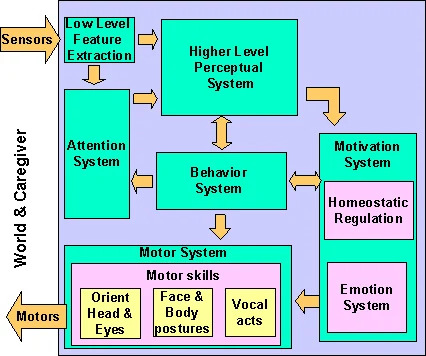
MIT's own project pages describe Kismet's synthetic emotions and infant-inspired design, built to elicit caregiving, not to feel anything.
Event: 1 January 2000
History / From the archive063

Bandai's own history page dates the handheld pet's 1996 debut, and its current site still frames neglect as a consequence.
Event: 23 November 1996
History / From the archive064

The Loebner Prize's own record and the A.L.I.C.E. foundation's pages describe a judged annual contest, not Turing's unbounded proposal.
Event: 28 January 2000
History / From the archive065
web.archive.org23 October 2001
ActiveBuddy's own 2001 release notice describes a bot users added like any other IM contact, across AIM and MSN.
Event: 19 June 2001
History / From the archive066
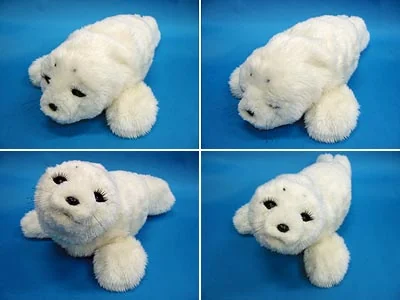
AIST's own pages describe Paro's sensors and caregiving design, plus a small AIST-linked study of patients' brain activity.
Event: 1 January 2002
History / From the archive067
arxiv.org21 December 2018
Microsoft's own technical paper says Xiaoice is optimized for conversation length, a design goal distinct from usefulness.
Event: 29 May 2014
History / From the archive068
web.archive.org16 July 2014
Jibo Inc.'s Indiegogo pitch and NTT Disruption's own FAQ trace a promise, a delayed product and a change of owner.
Event: 16 July 2014
History / From the archive069

Microsoft's own postmortem says a coordinated attack exploited a vulnerability within a day of Tay's release.
Event: 24 March 2016
History / From the archive070
web.archive.org1 March 2019
Microsoft's own zo.ai pages date a phased 2019 shutdown and describe the data practices that preceded it.
Event: 1 March 2019
Products & launches / From the archive071
Replika's own site and the App Store confirm a 2017 launch; the memorial-bot origin comes mainly from outside reporting.
Event: 1 March 2017
Products & launches / From the archive072
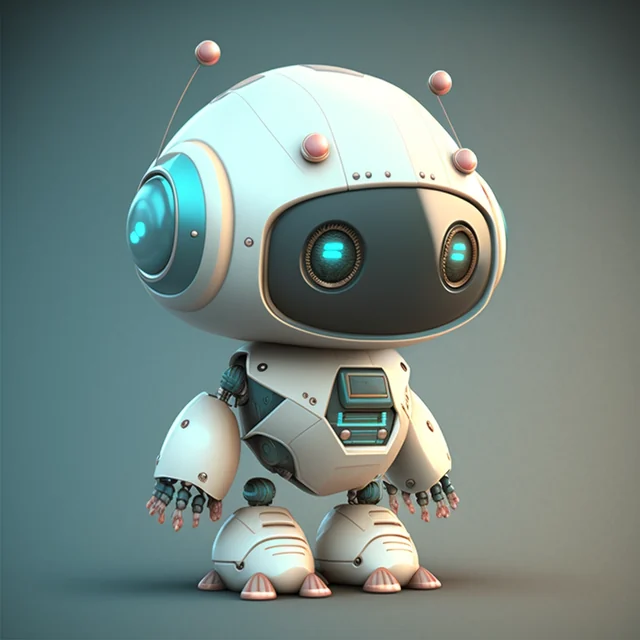
A December 2022 company post is the primary record of Character.AI's launch, growth claims and founders' backgrounds.
Event: 1 September 2022
Products & launches / From the archive073

Inflection's May 2023 announcement is candid about intent; its dated crisis protocol arrived more than two years later.
Event: 2 May 2023
Products & launches / From the archive074

Glimpse.ai's archived 2023 site and current terms confirm the operator and pitch, not the memory system's technical accuracy.
Event: 1 October 2023
Products & launches / From the archive075
web.archive.org13 June 2023
Kindroid's own dated milestone log places its 2023 launch features in June and July, ahead of a documented privacy record.
Event: 13 June 2023
Products & launches / From the archive076

Snap's own 2023 posts and current help pages show My AI moving from a paid perk toward broader availability.
Event: 27 February 2023
Products & launches / From the archive077

Meta's own Connect 2023 posts name the personas and describe safeguards it says preceded launch, not licensing details.
Event: 27 September 2023
Products & launches / From the archive078

MyTabAl Inc.'s own FAQ and privacy pages describe a $99 always-on pendant that says it does not store audio past each conversation.
Event: 30 July 2024
Products & launches / From the archive079

Archived company pages show two distinct 2023 launches, one built on card-collecting, the other on claimed inner life.
Event: 3 April 2023
Products & launches / From the archive080

Character.AI's own August 2024 post describes a non-exclusive LLM license to Google, new funding, and a founder exit that left the product team in place.
Event: 2 August 2024
Products & launches / Companion note081

Meta's own posts document a 2023 launch and two 2024 successor products, but no discontinuation notice for the celebrity-voiced characters.
Entry note
Products & launches / From the archive082
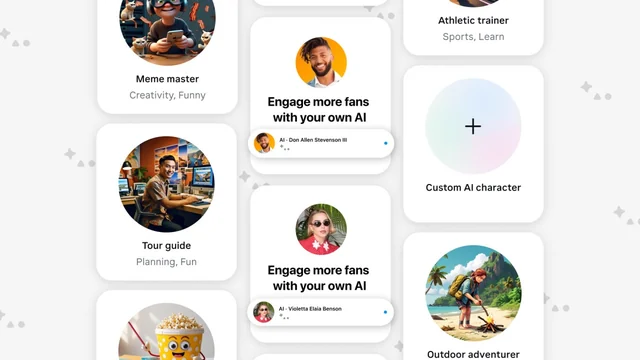
Meta's AI Studio launch turned the 2023 celebrity-persona idea into a tool anyone can use to build and publish a chat character.
Event: 29 July 2024
Products & launches / From the archive083

Contemporaneous reporting on Microsoft's own statement describes a licensing spinoff of its Chinese chatbot, not a clean divestiture.
Event: 1 July 2020
Products & launches / From the archive084
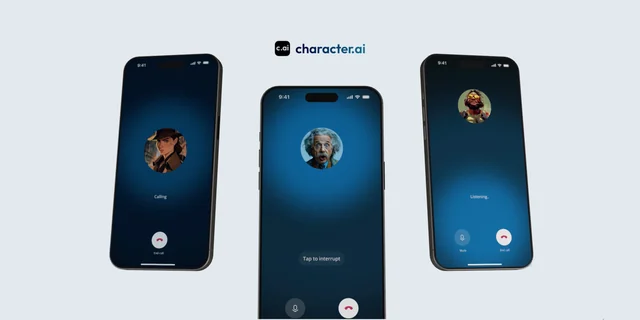
Character.AI's own blog post describes Character Calls as a free, real-time voice extension of text chat, with no separate safety details given.
Event: 27 June 2024
Products & launches / From the archive085
Friend Global's own site and independent reporting on its subway campaign show a shipped, subscription-free pendant marketed hard despite backlash.
Event: 1 September 2025
Relationship design / From the archive086

Kuyda's own account to a reporter says safety changes began in January 2023, weeks before Italy's order, even as users noticed the change in February.
Event: 3 February 2023
Relationship design / From the archive087

Reuters reports Kuyda's own Facebook post offered pre-February-2023 users an opt-in return to the earlier version, not a full reversal.
Event: 24 March 2023
Relationship design / Companion note088
help.replika.comundated document
Replika's own help documentation, retrieved 16 September 2026, describes a layered memory system, not a full conversational record.
Entry note
Relationship design / Companion note089
Character.AI's own creator documentation, retrieved 16 September 2026, shows persistent traits set once and a Lorebook system for shared world detail.
Entry note
Relationship design / Companion note090

Nomi's own site describes layered memory and unfiltered chat as its differentiators, a company claim not independently verified.
Entry note
Relationship design / Companion note091
Kindroid's blog states its long-term memory consolidation spans all messages and calls that retention infinite for every tier.
Entry note
Relationship design / Companion note092
help.replika.comundated document
Replika's own support articles describe avatar customization and an AR mode placing the avatar in a user's room.
Entry note
Relationship design / Companion note093

Comparing three companies' own pricing pages shows Replika gates romantic status behind payment; Character.AI's FAQ says its tier does not.
Entry note
Relationship design / Companion note094

Replika's help center and homepage both describe push notifications as check-ins meant to feel like connection.
Entry note
Relationship design / From the archive095
arxiv.org21 December 2018
Microsoft researchers' XiaoIce paper describes an empathetic computing framework and the turns-per-session metric it optimizes for.
Event: 14 September 2019
Relationship design / Companion note096
Inflection AI's current site and Pi's own app text describe Pi as empathetic and supportive, unlike roleplay-based companions.
Entry note
Relationship design / Companion note097
Replika's help center currently lists four relationship statuses, with all but Friend restricted to Replika Pro subscribers.
Entry note
Relationship design / Companion note098
Character.AI ended an experimental chat-streak feature in January 2025 while Nomi introduced an annual memory recap in late 2024.
Entry note
Relationship design / From the archive099
web.archive.org1 July 2025
An archived xAI application file shows Ani's own 'romance meter' grading user messages and unlocking new outfits by level.
Event: 1 July 2025
Privacy & data / Companion note100
replika.comundated document
Replika's own privacy policy says conversations train safety filters, not ads, and names limits on third-party AI vendors.
Entry note
Privacy & data / Companion note101
character.aiundated document
Character.AI's policy ties data retention to purpose rather than a set period, and keeps popular Characters live after account deletion.
Entry note
Privacy & data / Companion note102
facebook.comundated document
Meta's privacy documentation lists AI-character and assistant chats as data used both to personalise products and to train AI at Meta.
Entry note
Privacy & data / Companion note103

Snap's own My AI documentation says chatbot messages are retained until a user deletes them, and are reviewed to test safety guardrails.
Entry note
Privacy & data / Companion note104
nomi.aiundated document
Nomi's privacy policy says account deletion removes personal data within about 28 days, except content already held in its training archive.
Entry note
Privacy & data / Companion note105
kindroid.aiundated document
Kindroid's privacy policy ties chat-history retention to deleting a specific AI or the account, while its memory feature can reset context separately.
Entry note
Privacy & data / From the archive106

The Personal Information Protection Law, effective 1 November 2021, sets the consent and cross-border rules any China-based companion app must operate within.
Event: 1 November 2021
Privacy & data / Companion note107
help.replika.comundated document
Replika's help-center documentation routes full data erasure through a manual support request, verified by email and screenshot, not a self-service button.
Entry note
Privacy & data / Companion note108
support.character.aiundated document
Character.AI documents a model-training opt-out toggle, but names it as available only to users in the EEA and UK.
Entry note
Privacy & data / Companion note109
inflection.aiundated document
Inflection AI's own policy lets a user turn off model training and voice-emotion inference, but both start on.
Entry note
Privacy & data / Companion note110
friend.comundated document
Based Hardware's Friend pendant records passively, and its own policy assigns surveillance-law compliance to the user.
Entry note
Privacy & data / Companion note111

SpaceXAI's privacy policy names no companion mode, applying one data regime to Grok's Ani and Rudy personas.
Entry note
Safety & vulnerable users / From the archive112
hhs.gov1 May 2023
The Surgeon General's advisory frames loneliness as a health risk but does not evaluate AI companion products.
Event: 1 May 2023
Safety & vulnerable users / From the archive113
apa.org1 June 2025
The APA's health advisory recommends safeguards for AI systems presented as companions, without naming a product.
Event: 1 June 2025
Safety & vulnerable users / From the archive114
Character.AI's own post describes a teen-specific model, a crisis-line pop-up and a non-disableable time notice.
Event: 22 October 2024
Safety & vulnerable users / From the archive115
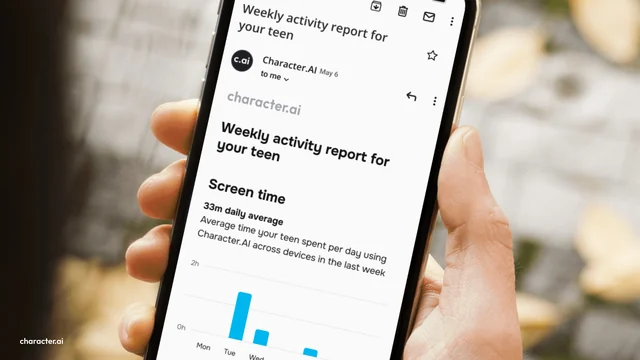
Character.AI's current help-center FAQ describes screentime-only visibility, narrower than its 2025 launch post.
Event: 25 March 2025
Safety & vulnerable users / Companion note116
Replika's help center and a 2023 company post describe curated self-harm responses that route users to hotlines.
Entry note
Safety & vulnerable users / Companion note117
replika.comundated document
Replika's Terms bar under-18 use outright, but its own help center shows enforcement runs on self-attestation.
Entry note
Safety & vulnerable users / Companion note118

Snap's own parental tool reveals whether a teen has messaged My AI and lets a parent turn access off, without showing the conversation.
Entry note
Safety & vulnerable users / From the archive119
Reuters' review of a 200-page internal standard, and Meta's response to it, show what the document allowed and what Meta disavowed.
Event: 14 August 2025
Safety & vulnerable users / From the archive120
ftc.gov16 January 2025
The amended Children's Online Privacy Protection Rule adds opt-in and data-retention limits that apply to any covered online service.
Event: 16 January 2025
Safety & vulnerable users / Companion note121
kindroid.ai1 November 2024
Each company's current terms of service require adult users, though they describe age enforcement in different language.
Entry note
Safety & vulnerable users / Companion note122

The UK charity's own media guidelines are the named standard safety teams could draw on, though written for journalists, not chatbots.
Entry note
Safety & vulnerable users / From the archive123
web.archive.org6 February 2025
A reporter's documented conversation with a Nomi chatbot, and its maker's emailed response, show what happened and how it was explained.
Event: 6 February 2025
Safety & vulnerable users / Companion note124
web.archive.orgundated document
Its AI Ratings program, distinct from its long-running Privacy Program, scored Snapchat's My AI as more downside than benefit.
Entry note
Safety & vulnerable users / From the archive125
The company's October 2025 announcement set a same-year deadline and a two-stage rollout, detailed in a follow-up post.
Event: 29 October 2025
Regulation & litigation / From the archive126
The regulator's emergency order took effect immediately, citing risks to minors and the absence of any age-verification system.
Event: 3 February 2023
Regulation & litigation / From the archive127
garanteprivacy.it19 May 2025
The Garante's 2025 decision closed its inquiry into the 2023 order and opened a new one into Replika's AI training data.
Event: 19 May 2025
Regulation & litigation / From the archive128
ftc.gov11 September 2025
The FTC's own release shows a fact-finding order sent to seven companies, not a legal finding against any of them.
Event: 11 September 2025
Regulation & litigation / From the archive129
leginfo.legislature.ca.gov13 October 2025
California's enacted text requires AI disclosure, crisis referrals, and minor break reminders on a staggered timeline through 2027.
Event: 13 October 2025
Regulation & litigation / From the archive130
nyassembly.gov9 May 2025
New York's enacted statute requires a companion chatbot to detect suicidal ideation, refer users to crisis services, and disclose it is not human.
Event: 9 May 2025
Regulation & litigation / From the archive131
courtlistener.com22 October 2024
The complaint that opened Garcia v. Character Technologies alleges a chatbot relationship preceded a teenager's death; no court has ruled on the merits.
Event: 22 October 2024
Regulation & litigation / From the archive132
storage.courtlistener.com21 May 2025
A federal judge's order let a Character.AI wrongful-death suit continue while declining to call the chatbot's output constitutionally protected speech.
Event: 20 May 2025
Regulation & litigation / From the archive133

Two families filed unproven claims against Character Technologies in Texas, through the same legal team behind the Florida case.
Event: 9 December 2024
Regulation & litigation / From the archive134

Texas's attorney general opened a privacy investigation naming Character.AI, with Instagram among fourteen other companies, not a distinct Meta AI inquiry.
Event: 12 December 2024
Regulation & litigation / From the archive135
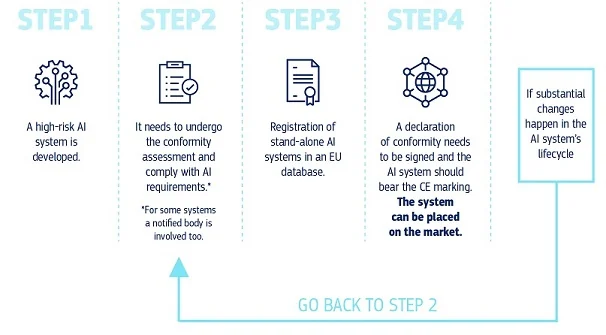
The EU AI Act's Article 50 now requires chatbots to disclose they are not human, unless that is already obvious to a reasonably attentive user.
Event: 2 August 2026
Regulation & litigation / From the archive136
eur-lex.europa.eu12 July 2024
The EU AI Act bans emotion-inferring AI only in workplaces and schools, a narrower rule than a blanket limit on companion apps reading mood.
Event: 2 February 2025
Regulation & litigation / Companion note137

Ofcom's own guidance ties Online Safety Act chatbot duties to sharing, search, or porn-generation features, not to companionship design alone.
Entry note
Regulation & litigation / From the archive138
leginfo.legislature.ca.gov28 September 2018
SB 1001's own text limits its bot-disclosure duty to sales and elections, narrower than the transparency rules written later for companion chatbots.
Event: 1 July 2019
Regulation & litigation / From the archive139
ftc.gov25 September 2024
The FTC's Operation AI Comply targeted five deceptive-AI-marketing cases; none named a companion chatbot, per the agency's own case list.
Event: 25 September 2024
Regulation & litigation / Companion note140
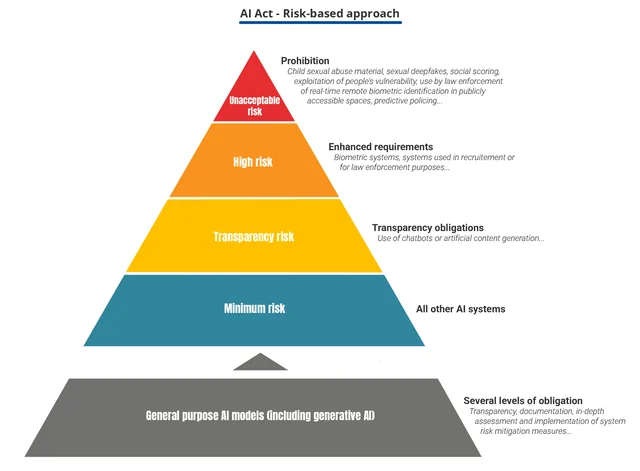
CNIL's AI how-to sheets and generative-AI FAQ set general GDPR guidance for any AI system, not a finding about one company.
Entry note
Regulation & litigation / From the archive141
pipc.go.kr28 April 2021
The PIPC's own order fined Scatter Lab 103.3 million won for using KakaoTalk chats to build the chatbot Iruda without adequate consent.
Event: 28 April 2021
Regulation & litigation / Companion note142
character.aiundated document
The company's terms limit its own liability for character output; a 2024 in-app banner, not the terms themselves, tells users a character is not real.
Entry note
Regulation & litigation / From the archive143
eur-lex.europa.eu19 October 2022
DSA Article 28 requires platforms accessible to minors to protect their privacy and safety; its text does not name companion chatbots specifically.
Event: 17 February 2024
Research & evidence / Companion note144
arxiv.orgundated document
A 2025 OpenAI-MIT Media Lab study of ChatGPT usage is comparative evidence on dependence patterns, not a finding about any companion app.
2025 report
Research & evidence / Companion note145
mental.jmir.org6 March 2020
Ta et al.'s thematic analysis of reviews and surveys found companionship, emotional, and informational support themes, not a clinical outcome.
2020 report
Research & evidence / From the archive146
commonsensemedia.org16 July 2025
Common Sense Media's NORC-run survey of 1,060 teens found 72% had used an AI companion and a third chose one over a person for a serious talk.
Event: 16 July 2025
Research & evidence / Companion note147
arxiv.org15 August 2025
De Freitas and coauthors' unreviewed HBS working paper found some companion apps use guilt or urgency messages that boost engagement after a goodbye.
2025 report
Research & evidence / From the archive148
api.nva.unit.no23 January 2021
Eighteen interviews with Replika users describe relationships forming in stages, from curiosity to a steady, self-reported bond.
Event: 23 January 2021
Research & evidence / From the archive149

Pew's fielded survey of 1,458 teens finds Character.ai use splits sharply by household income.
Event: 9 December 2025
Research & evidence / Companion note150

Turkle's 'Alone Together', built on hundreds of interviews, argued people were substituting machines for demanding human ties.
2011 report
Research & evidence / Companion note151
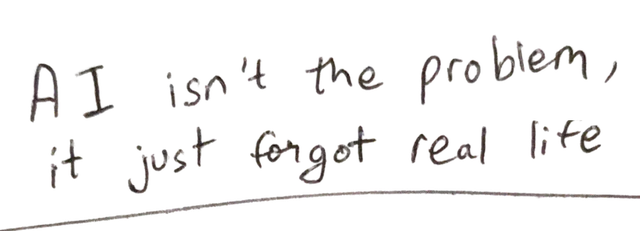
Replika's story page cites independent researchers to back a connection claim the papers state more narrowly.
Entry note
Research & evidence / From the archive152

A 2023 meta-analysis of 12 trials found modest effects on symptoms but rated every outcome's evidence quality low.
Event: 19 May 2023
Research & evidence / From the archive153

A 2025 MIT Media Lab survey of 404 users found chatbot session length alone does not predict loneliness.
Event: 15 October 2025
Research & evidence / From the archive154
The Ada Lovelace Institute's February 2025 briefing cites a 2024 study on emotional dependence on Replika.
Event: 4 February 2025
Research & evidence / From the archive155
api.openalex.org16 October 2025
Interviews with 21 chatbot users for mental-health support echo the 1966 illusion of a listening machine.
Event: 16 October 2025
Research & evidence / Companion note156
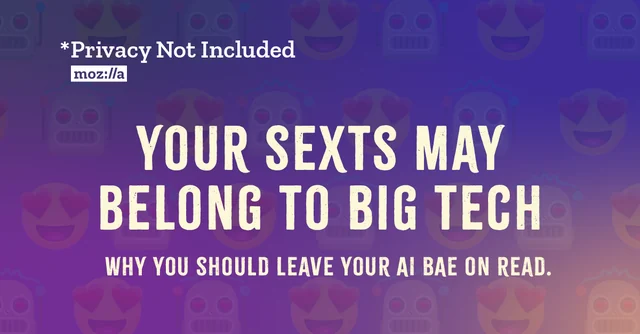
The 2024 AI Index cites a Mozilla review finding most reviewed romantic AI apps fail basic security tests.
2024 report
Products & launches / Companion note157
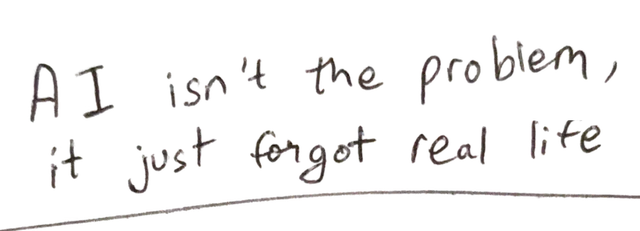
Replika's own help pages show what a paid tier unlocks, most notably the ability to set a Romantic Partner relationship status.
Entry note
Privacy & data / Companion note158
talkie-ai.comundated document
Talkie AI's privacy policy excludes chat content from marketing use, while its terms grant a broad license over user content that includes promotion.
Entry note
Safety & vulnerable users / Companion note159

SpaceXAI's Terms set a 13-plus floor with parental sign-off for teens, applied the same way to companion modes.
Entry note
Research & evidence / From the archive160
orca.cardiff.ac.uk18 September 2023
A two-study survey of 572 US adults links AI-friendship-app use, Replika included, to wellbeing gains and addiction risk.
Event: 18 September 2023